
Dynamics 365 Finance & Operations 2026: Features, Benefits & Strategy
Introduction
Unlock the potential of Microsoft Dynamics for Finance & Operations with our 2026 insights, exploring innovative trends and strategies to enhance your operations. As organizations prepare for an increasingly data-driven and automated future, Microsoft Dynamics 365 Finance & Operations continues to evolve as a critical platform for financial control and operational excellence. In 2026, businesses will see deeper intelligence, stronger automation, and more connected processes that enable faster decision-making and greater agility. Understanding how to leverage these capabilities is key to staying competitive, optimizing performance, and scaling with confidence.
Key Features and Enhancements in 2026
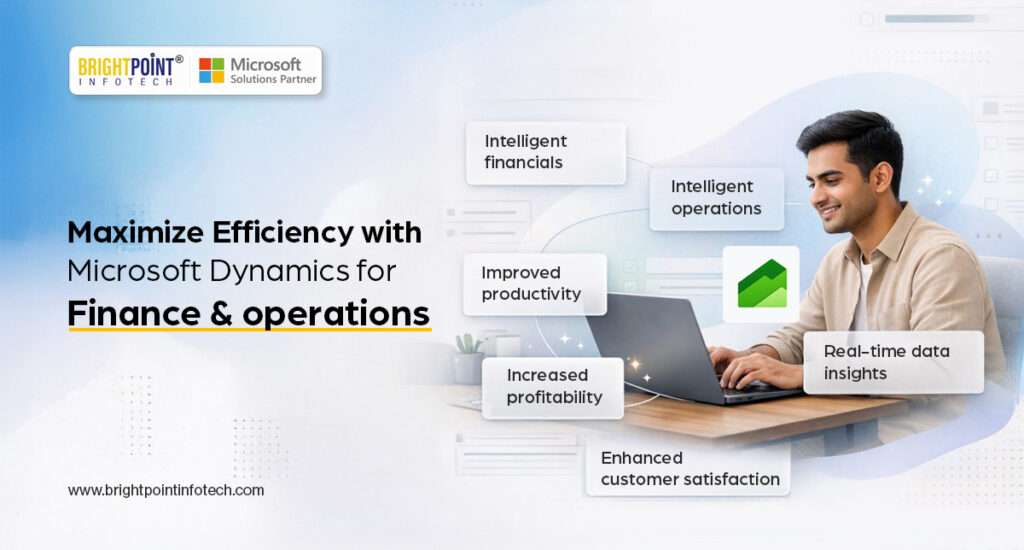
Microsoft Dynamics for Finance & Operations has undergone a series of significant upgrades in 2026, transforming it into a powerhouse for business management. One of the most groundbreaking features is the integration of advanced artificial intelligence (AI) and machine learning (ML) capabilities. These enhancements allow businesses to predict financial trends, optimize operations, and make more informed decisions through real-time data analytics. The AI-driven insights can identify patterns and anomalies that might be missed by human analysis, thereby providing a more comprehensive understanding of the financial landscape.
Another transformative feature is the enhanced user interface, designed to be more intuitive and user-friendly. The 2026 version includes customizable dashboards that can be tailored to the specific needs of different roles within the organization. This not only increases productivity but also ensures that employees have quick access to the most relevant information. The integration of natural language processing (NLP) means that users can interact with the system using everyday language, making it easier for non-technical staff to utilize the software effectively.
Moreover, the 2026 iteration of Microsoft Dynamics has significantly improved its cloud capabilities. With seamless integration with Microsoft Azure, businesses can now leverage the full potential of cloud computing, including enhanced security, scalability, and disaster recovery options. The ability to access the system from anywhere in the world, coupled with robust mobile support, means that businesses can operate more flexibly and efficiently than ever before. These enhancements position Microsoft Dynamics as a leader in the enterprise resource planning (ERP) market, offering unparalleled tools for managing finance and operations.
Benefits of Using Microsoft Dynamics for Finance & Ops
The benefits of using Microsoft Dynamics for Finance & Operations are manifold, providing businesses with a competitive edge in an increasingly complex market. One of the primary advantages is the system’s ability to streamline financial management processes. By consolidating financial data into a single, integrated platform, businesses can reduce the time spent on manual data entry and reconciliation. This not only increases efficiency but also reduces the risk of errors, ensuring more accurate financial reporting and compliance with regulatory requirements.
Another significant benefit is the system’s capability to enhance decision-making through real-time data analytics. Microsoft Dynamics provides businesses with comprehensive insights into their financial health, operational efficiency, and market trends. Managers can access detailed reports and dashboards that highlight key performance indicators (KPIs), enabling them to make informed decisions quickly. The predictive analytics feature further enhances decision-making by forecasting future trends based on historical data, allowing businesses to proactively address potential challenges and seize new opportunities.
Moreover, Microsoft Dynamics for Finance & Operations offers unparalleled scalability, making it suitable for businesses of all sizes. Whether you are a small startup or a large multinational corporation, the system can be tailored to meet your specific needs. The cloud-based architecture ensures that the system can grow with your business, providing additional resources and capabilities as required. This scalability, combined with the system’s robust security features, ensures that businesses can operate with confidence, knowing that their data is protected and their operations can adapt to changing market conditions.
Industry Trends Influencing Microsoft Dynamics in 2026
The landscape of enterprise resource planning (ERP) is continuously evolving, and several industry trends are shaping the development of Microsoft Dynamics for Finance & Operations in 2026. One of the most significant trends is the increasing adoption of AI and machine learning technologies. These technologies are revolutionizing the way businesses operate by automating routine tasks, providing predictive insights, and enhancing decision-making processes. Microsoft Dynamics has integrated these technologies to offer advanced analytics and automation capabilities, positioning itself at the forefront of the AI revolution.
Another trend influencing Microsoft Dynamics is the growing emphasis on data security and privacy. With the rise in cyber threats and stringent regulatory requirements, businesses are prioritizing the protection of their sensitive data. Microsoft Dynamics has responded to this trend by incorporating advanced security features, including multi-factor authentication, encryption, and continuous monitoring. Additionally, the system is designed to comply with global data protection regulations, such as the General Data Protection Regulation (GDPR) and the California Consumer Privacy Act (CCPA), ensuring that businesses can operate securely and in compliance with legal requirements.
The shift towards remote and hybrid work models is also impacting the development of Microsoft Dynamics. The COVID-19 pandemic has accelerated the adoption of remote work, and businesses are now seeking solutions that enable seamless collaboration and productivity from any location. Microsoft Dynamics has enhanced its cloud capabilities and mobile support to meet this demand, allowing employees to access the system and collaborate in real-time, regardless of their physical location. This trend is expected to continue, making flexibility and remote accessibility key considerations for ERP systems in the future.
Integration with Other Business Tools and Technologies
In 2026, the integration capabilities of Microsoft Dynamics for Finance & Operations have reached new heights, enabling seamless connectivity with a wide range of business tools and technologies. One of the most notable integrations is with Microsoft 365, which includes popular applications such as Excel, Word, and Outlook. This integration allows users to easily import and export data between Microsoft Dynamics and other Microsoft applications, streamlining workflows and enhancing productivity. For example, financial data can be exported to Excel for advanced analysis, while reports can be generated in Word for professional documentation.
Another critical integration is with Microsoft Power Platform, which includes Power BI, Power Apps, and Power Automate. Power BI enables businesses to create interactive dashboards and visualizations, providing deep insights into their financial and operational data. Power Apps allows users to build custom applications tailored to their specific needs, while Power Automate automates repetitive tasks and workflows. These integrations empower businesses to harness the full potential of their data, driving innovation and efficiency across the organization.
Microsoft Dynamics also supports integration with a variety of third-party applications and services through its open API framework. This flexibility allows businesses to connect their ERP system with other essential tools, such as customer relationship management (CRM) systems, e-commerce platforms, and supply chain management software. By creating a unified ecosystem of interconnected applications, businesses can achieve greater coherence and efficiency in their operations. This holistic approach ensures that all aspects of the business are aligned and working towards common goals, ultimately driving growth and success.
Case Studies: Successful Implementations of Microsoft Dynamics
To illustrate the transformative impact of Microsoft Dynamics for Finance & Operations, let’s explore a few case studies of successful implementations. One notable example is a global manufacturing company that faced challenges in managing its complex supply chain and financial operations. By implementing Microsoft Dynamics, the company was able to streamline its processes, reduce operational costs, and improve overall efficiency. The advanced analytics and reporting capabilities provided real-time insights into inventory levels, production schedules, and financial performance, enabling the company to make data-driven decisions and optimize its operations.
Another case study involves a retail organization that struggled with disparate systems and manual processes, leading to inefficiencies and errors. By adopting Microsoft Dynamics, the organization was able to consolidate its financial and operational data into a single, integrated platform. This integration eliminated the need for manual data entry and reconciliation, reducing the risk of errors and improving data accuracy. The enhanced reporting capabilities provided valuable insights into sales trends, customer behavior, and financial performance, enabling the organization to make informed strategic decisions and drive growth.
A third case study highlights the experience of a healthcare provider that needed to improve its financial management and compliance processes. By implementing Microsoft Dynamics, the provider was able to automate its financial workflows, ensuring compliance with regulatory requirements and reducing administrative burdens. The system’s robust security features provided peace of mind, knowing that sensitive patient and financial data was protected. The provider also leveraged the system’s advanced analytics capabilities to gain insights into patient care costs, resource utilization, and financial performance, enabling them to optimize their operations and improve patient outcomes.
Best Practices for Maximizing Your Investment
To maximize the return on investment (ROI) from Microsoft Dynamics for Finance & Operations, businesses should follow a series of best practices. First and foremost, it is essential to conduct a thorough needs assessment to identify the specific requirements and objectives of your organization. This assessment should involve key stakeholders from various departments to ensure that all perspectives are considered. By understanding your unique needs, you can tailor the system to meet your specific goals and maximize its value.
Another best practice is to invest in comprehensive training and support for your employees. The success of any ERP implementation depends on the ability of users to effectively utilize the system. Providing ongoing training and support ensures that employees are equipped with the knowledge and skills needed to leverage the full capabilities of Microsoft Dynamics. This investment in training not only enhances productivity but also boosts employee confidence and satisfaction, leading to better overall performance.
Additionally, businesses should continuously monitor and evaluate the performance of their ERP system. Regularly reviewing key performance indicators (KPIs) and metrics can help identify areas for improvement and ensure that the system is delivering the desired results. By staying proactive and making necessary adjustments, businesses can optimize their use of Microsoft Dynamics and achieve long-term success. This continuous improvement mindset ensures that the system evolves with the needs of the organization, providing sustained value over time.
Common Challenges and Solutions in Adoption
While the benefits of Microsoft Dynamics for Finance & Operations are substantial, businesses may encounter challenges during the adoption process. One common challenge is resistance to change from employees who are accustomed to existing processes and systems. To address this, it is crucial to involve employees in the implementation process and communicate the benefits of the new system. Providing comprehensive training and support can also help ease the transition and ensure that employees feel confident in using the new system.
Another challenge is data migration, which can be a complex and time-consuming process. Ensuring that data is accurately transferred from legacy systems to Microsoft Dynamics is critical for a successful implementation. To mitigate this challenge, businesses should conduct a thorough data audit and cleansing process before migration. Additionally, working with experienced implementation partners or consultants can help streamline the data migration process and ensure that it is completed accurately and efficiently.
Integration with existing systems and processes can also pose challenges during the adoption of Microsoft Dynamics. Ensuring that the new ERP system works seamlessly with other business tools and technologies is essential for maximizing its value. To overcome this challenge, businesses should leverage the open API framework and integration capabilities of Microsoft Dynamics. Collaborating with experienced IT professionals and implementation partners can also help ensure that the integration process is smooth and successful.
Future Outlook: What to Expect Beyond 2026
Looking beyond 2026, the future of Microsoft Dynamics for Finance & Operations is poised for continued innovation and growth. One of the key areas of development is the further integration of advanced technologies such as AI, machine learning, and blockchain. These technologies will continue to enhance the capabilities of the system, providing even more sophisticated analytics, automation, and security features. Businesses can expect to see more intelligent and predictive functionalities that will empower them to make proactive and strategic decisions.
The evolution of cloud computing will also play a significant role in shaping the future of Microsoft Dynamics. As businesses increasingly adopt cloud-based solutions, Microsoft Dynamics will continue to enhance its cloud capabilities, offering greater scalability, flexibility, and accessibility. The integration with Microsoft Azure will provide businesses with access to a wide range of cloud services and resources, enabling them to optimize their operations and drive innovation. The future of ERP systems will be characterized by seamless connectivity and real-time data access, empowering businesses to operate more efficiently and effectively.
Moreover, the focus on data security and privacy will remain a top priority for Microsoft Dynamics. As cyber threats continue to evolve, the system will incorporate advanced security measures to protect sensitive data and ensure compliance with regulatory requirements. Businesses can expect to see ongoing enhancements in encryption, authentication, and monitoring capabilities, providing peace of mind and confidence in their ERP system. The future of Microsoft Dynamics will be defined by its ability to adapt to changing market conditions and technological advancements, ensuring that businesses remain competitive and successful.
Conclusion and Next Steps for Businesses
In conclusion, Microsoft Dynamics for Finance & Operations offers a comprehensive and powerful solution for managing financial and operational processes. The 2026 insights highlight the transformative features, benefits, and industry trends that are shaping the future of ERP systems. By leveraging the advanced capabilities of Microsoft Dynamics, businesses can streamline their operations, enhance decision-making, and achieve long-term success.
For businesses considering the adoption of Microsoft Dynamics, the next steps involve conducting a thorough needs assessment, investing in comprehensive training and support, and partnering with experienced implementation professionals. By following best practices and addressing common challenges, businesses can maximize the value of their investment and ensure a smooth transition to the new system.
As the future of Microsoft Dynamics continues to evolve, businesses can look forward to ongoing innovations and enhancements that will drive growth and success. By staying proactive and adaptable, businesses can unlock the full potential of Microsoft Dynamics for Finance & Operations and position themselves for a prosperous future. The journey towards digital transformation and operational excellence begins with the strategic adoption of Microsoft Dynamics, empowering businesses to thrive in an ever-changing market.
Navigating Microsoft Dynamics 365 Finance & Operations requires more than just technology — it takes the right expertise and strategy. Brightpoint Infotech helps organizations unlock the full value of Dynamics 365 F&O by aligning the platform with real business needs. From implementation and optimization to upgrades and ongoing support, our team works closely with businesses to streamline finance, improve operational efficiency, and prepare for long-term growth in 2026 and beyond.
Explore Brightpoint Infotech Solutions
Explore Our Recent Blogs & Resources
Whether you are a start-up, an SMB, or an enterprise, the Brightpoint Infotech blog is the best place to get inspired and learn more about Microsoft Business Applications.